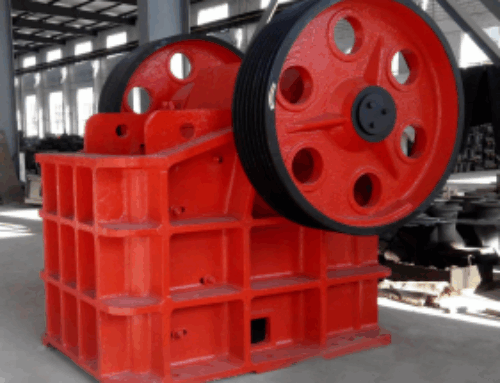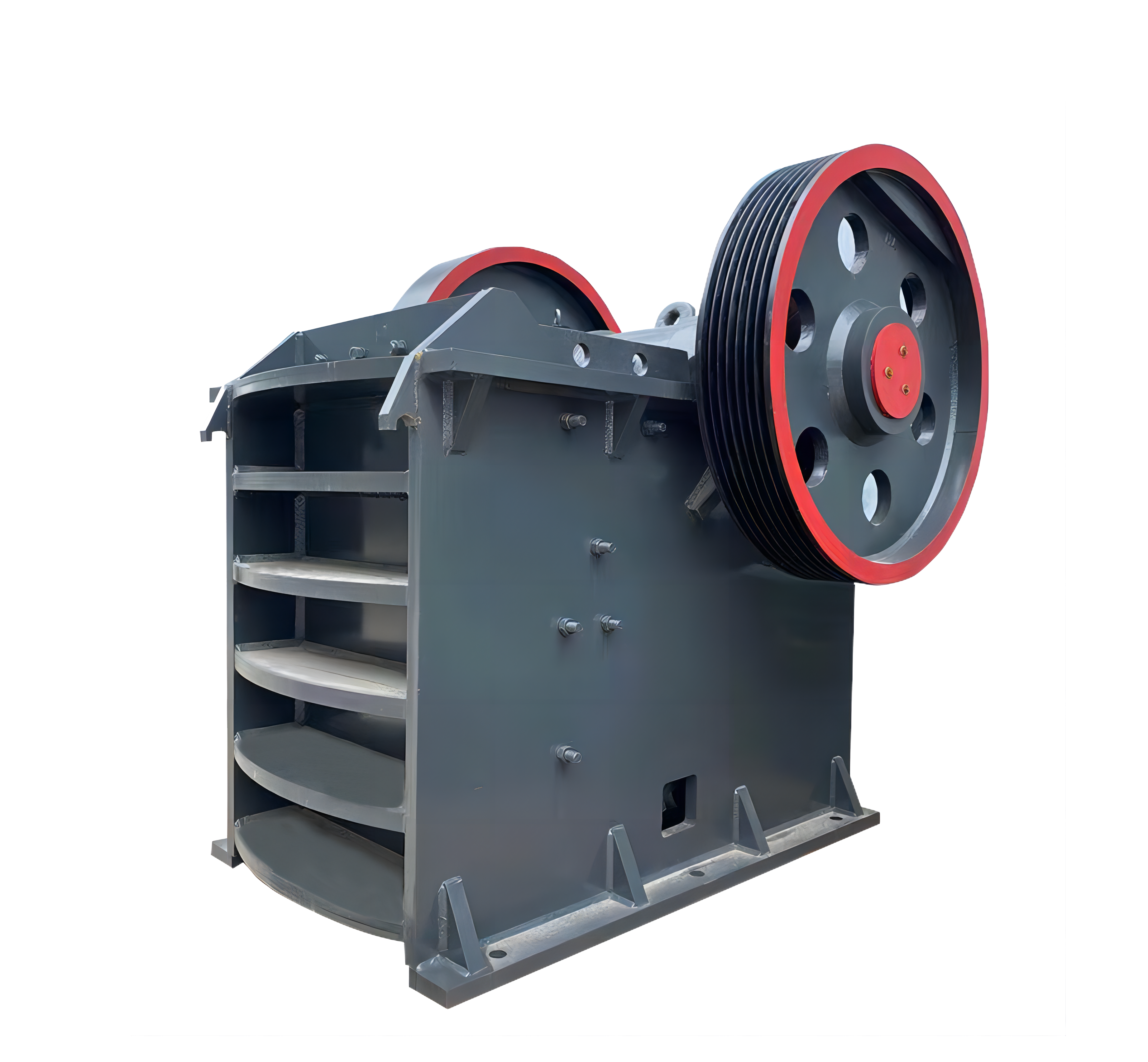
Jaw crushers are used in various industries, including mining, construction, and recycling. They work by compressing materials between two opposing plates, known as jaws. The movable jaw exerts force on the material towards the fixed jaw, crushing it into smaller pieces.
But what exactly makes up a jaw crusher? In this article, we will delve into the anatomy of a jaw crusher, discussing its components and their functions. Also, we will explore the different types of jaw crushers and their applications in various industries. Understanding the structure and function of a jaw crusher is crucial for efficient operation and maintenance.
So let’s dive into the world of jaw crushers and uncover its secrets!
What is a Jaw Crusher?
A jaw crusher is a primary crushing machine used in various industries to break down large chunks of hard materials into smaller pieces. It consists of two jaws, one fixed and one movable, with the material being crushed between them.
The fixed jaw is stationary and acts as the support for the other components of the crusher. It also serves as a safety mechanism, preventing any movement that could cause damage. The movable jaw is attached to a flywheel, which helps to create the crushing action by rotating and moving back and forth.
The size of the material that can be crushed depends on the gap between the jaws. This gap can be adjusted using a wedge or hydraulic system, allowing for different sizes of materials to be processed.
Why are Jaw Crushers Important?
Jaw crushers play a crucial role in various industries due to their ability to crush hard materials into smaller pieces. They are commonly used in the mining industry to break down large rocks and ores into manageable sizes for further processing. In construction, jaw crushers are used to crush concrete and asphalt into reusable materials.
Moreover, jaw crushers are also essential in the recycling industry. They can process demolished concrete, bricks, and asphalt into reusable products for construction purposes. This not only helps to reduce waste but also saves on costs by utilizing recycled materials.
In addition to their primary functions, jaw crushers are also used in secondary and tertiary crushing stages. They are often combined with other types of crushers such as impact or cone crushers to achieve finer crushing and shaping of the final product.
Components and Functions of a Jaw Crusher
A jaw crusher consists of several components that work together to provide efficient crushing. These include:
Fixed Jaw
The fixed jaw is the stationary component of a jaw crusher and serves as the support for other parts. It is typically made of cast steel and is designed to withstand high pressure and heavy loads. The main function of the fixed jaw is to hold the material being crushed in place, preventing it from moving outwards towards the movable jaw.
In addition to its supporting role, the fixed jaw also serves as a safety mechanism. It prevents any unwanted movement that could cause damage to the crusher or injure operators. The angle of the fixed jaw can also be adjusted, making it possible to control the size of the material being crushed.
Plus, the fixed jaw is also responsible for the crushing action of the jaw crusher. As it does not move, the material is crushed by the force exerted by the movable jaw as it rotates and moves back and forth. Also, the fixed jaw is often replaceable, making it easy to maintain and extend the lifespan of the crusher.
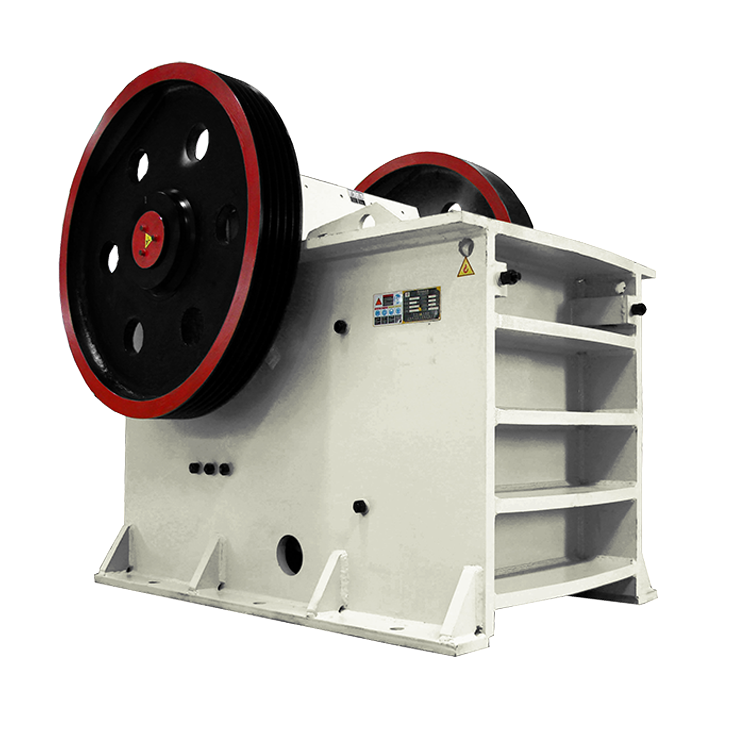
Movable Jaw
The movable jaw is the component of a jaw crusher that moves back and forth, creating the crushing action. It is attached to the flywheel, rotating and moving along with it. The main function of the movable jaw is to exert force on the material towards the fixed jaw, breaking it into smaller pieces.
The design of the movable jaw allows for different types of materials to be crushed, as it can move back and forth in a circular motion. It is also designed to withstand high pressure and heavy loads, just like the fixed jaw.
The size of the material that can be crushed by a jaw crusher depends on the gap between the two jaws. This gap can be adjusted by moving either the movable jaw or the fixed jaw closer or farther from each other. This feature allows for flexibility in the size of the final product and makes it possible to process different sizes of materials.
Flywheel
The flywheel is an essential component of a jaw crusher and is connected to the motor, which provides power to rotate it. Its main function is to store the energy created by the rotation of the motor and use it to create the crushing action.
As the flywheel rotates, it creates a motion that moves the movable jaw back and forth, crushing the material between the jaws. It also helps to balance the load and reduce vibrations, ensuring smooth operation of the crusher.
Additionally, the flywheel acts as a safety mechanism by absorbing any sudden increase in load, preventing damage to other components of the crusher. It also provides inertia, allowing for more efficient crushing performance.
Toggle Plate
The toggle plate is a component of a jaw crusher that connects the movable jaw to the rest of the crusher. It is typically made of steel and has two main functions.
The first function is to transmit power from the motor to the movable jaw, allowing it to move back and forth to create the crushing action. The second function is to act as a safety mechanism, preventing any damage that could be caused by overloading or jamming of the crusher.
In case of an overload, the toggle plate is designed to break and protect other parts of the crusher from damage. It also allows for easy replacement in case it becomes worn out or damaged. Additionally, the angle of the toggle plate can be adjusted to control the size of the material being crushed.
Eccentric Shaft
The eccentric shaft is a crucial component of a jaw crusher that connects the flywheel to the movable jaw. It is typically made of alloy steel and is designed to withstand high pressure and heavy loads.
The main function of the eccentric shaft is to convert rotational motion from the motor into linear motion, causing the movable jaw to move back and forth. This creates the crushing action and allows for efficient processing of hard materials.
The design of the eccentric shaft also helps to reduce vibrations, ensuring smooth operation of the crusher. It is often equipped with bearings at both ends to support its rotation and prevent excessive wear.
Bearings
Bearings are an essential part of a jaw crusher that supports the weight of the movable and fixed jaws, as well as the eccentric shaft. They are typically made of steel or bronze and are designed to withstand heavy loads and high pressure.
The main function of bearings in a jaw crusher is to reduce friction between moving parts, allowing for smooth rotation and operation. This helps to extend the lifespan of the crusher components and minimize maintenance costs.
Bearings also play a crucial role in reducing vibrations and maintaining the stability of the crusher. They are often equipped with lubrication systems to ensure proper functioning and prevent excessive wear.
So, these are the main components of a jaw crusher that work together to provide efficient crushing. Each component plays a vital role in the overall performance and durability of the crusher. Regular maintenance and proper functioning of these components are essential for achieving maximum efficiency and prolonging the lifespan of a jaw crusher.
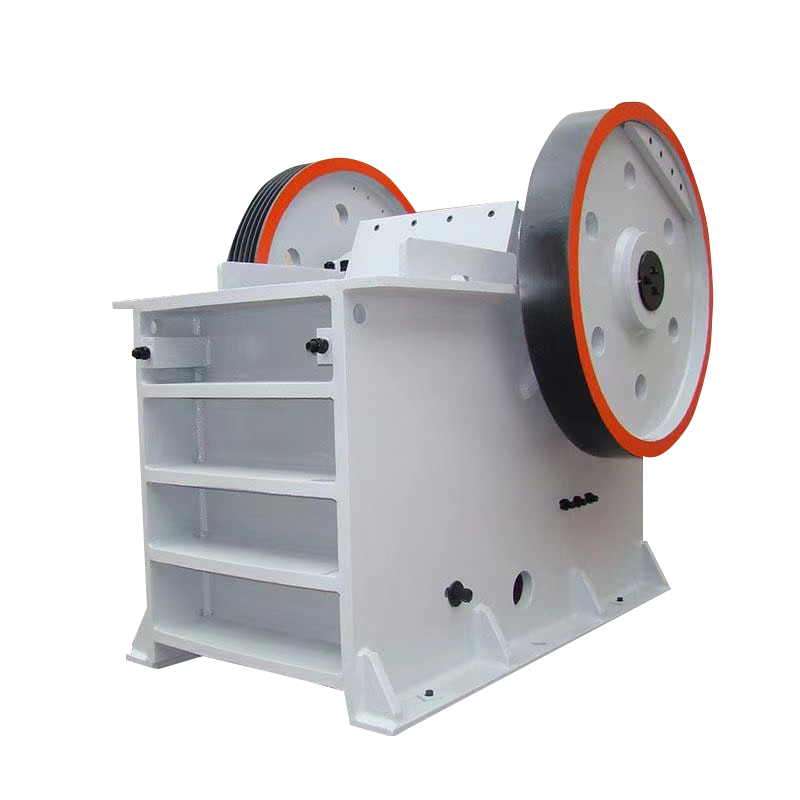
Is a Jaw Crusher the Right Choice for Your Project?
The answer to this question depends on various factors such as the type of material you need to crush, the desired size of the final product, and your budget.
Jaw crushers are commonly used for primary crushing in mining and construction projects. They are ideal for processing hard and abrasive materials such as granite, basalt, and quartz. However, they may not be suitable for materials with high moisture content or those that are sticky.
If your project requires producing a specific size of material, then a jaw crusher might be the right choice. With the ability to adjust the gap between the jaws, you can control the size of the final product and achieve consistent results. Also, jaw crushers are known for their high reduction ratio, making them efficient at producing smaller particles.
Another factor to consider is your budget. Jaw crushers can vary significantly in price depending on their size, capacity, and features. While they may require higher initial investment compared to other types of crushers, they are generally more durable and have a longer lifespan, thus providing better value in the long run.
Can a Jaw Crusher be Used for Secondary Crushing?
While jaw crushers are primarily used for primary crushing, they can also be used for secondary crushing in some cases. This is especially true for large capacity jaw crushers with high reduction ratios.
In secondary crushing, the material from the primary crusher is further reduced in size by passing it through the jaws of a secondary jaw crusher. This allows for a more refined and consistent product, making it suitable for various applications.
However, when considering using a jaw crusher for secondary crushing, it is essential to choose one with the appropriate size and capacity. Typically, secondary jaw crushers are larger in size compared to primary jaw crushers and can handle larger feed sizes and higher throughputs.
Additionally, the type of material being crushed also plays a crucial role in determining whether a jaw crusher can be effectively used for secondary crushing. Softer materials that are not as abrasive or sticky may be suitable for secondary crushing, while harder and more abrasive materials may require other types of crushers.
Things to consider when purchasing a jaw crusher
If you are considering purchasing a jaw crusher for your project, there are several factors to keep in mind. These include the size and type of material you will be processing, the desired final product size and shape, and your budget.
Firstly, it is essential to determine the size and type of material that needs to be crushed. This will help in selecting the appropriate jaw crusher size and capacity, as different crushers are designed to handle different types of materials.
Next, consider the desired final product size and shape. If you need a specific size or shape of material, make sure to choose a jaw crusher that allows for easy adjustment of the gap between the jaws to achieve consistent results.
Your budget is also a crucial factor to consider. Jaw crushers can vary significantly in price, so it is important to determine what features and capabilities you need for your project and find a crusher that fits within your budget.
Additionally, it would be best to research the reputation and reliability of the manufacturer before making a purchase. A reputable manufacturer will provide quality products, reliable customer service, and often offer warranties or after-sales support.
Lastly, consider the maintenance and operating costs of the jaw crusher. Some crushers may require more frequent maintenance and have higher operating costs, so it is important to factor these into your decision-making process.
How much a jaw crusher cost?
The cost of a jaw crusher can vary significantly depending on various factors such as size, capacity, features, and manufacturer. Generally, smaller jaw crushers with lower capacities are more affordable compared to larger ones with higher capacities.
On average, a basic jaw crusher can cost anywhere from $50,000 to $100,000 while high-end models can cost upwards of $500,000. The price also depends on the features included in the crusher, such as the type of drive system, jaw design, and lubrication systems.
In addition to the initial purchase cost, it is essential to consider maintenance and operating costs. Some jaw crushers may require more frequent maintenance or have higher operating costs due to factors such as power consumption, wear and tear of parts, and fuel costs.
It is also important to note that the cost of a jaw crusher may vary depending on your location. For example, importing a crusher from another country can significantly increase the overall cost due to shipping and import fees.
FAQs
Are jaw crushers noisy?
Jaw crushers can produce noise during operation, but the level of noise may vary depending on various factors such as the material being crushed, the speed of operation, and the design of the crusher. Proper maintenance and lubrication can help reduce noise levels.
Can a jaw crusher crush all types of materials?
No, different types of jaw crushers are designed to handle specific types of materials. For example, some crushers are better suited for soft and non-abrasive materials while others are more efficient at processing hard and abrasive materials.
What is the difference between a single toggle and double toggle jaw crusher?
A single toggle jaw crusher has one fixed jaw plate and one moving jaw plate, while a double toggle jaw crusher has two moving jaw plates. Double toggle crushers are designed to handle larger feed sizes and have a higher crushing capacity compared to single toggle crushers.
Conclusion
Jaw crushers are versatile and reliable machines that can be used for primary and secondary crushing. When purchasing a jaw crusher, it is essential to consider factors such as the material being crushed, desired final product size and shape, budget, and maintenance costs.
By carefully considering these factors, you can choose a jaw crusher that best suits your needs and provides long-term value for your project. Additionally, proper maintenance and operation of the crusher can help prolong its lifespan and ensure optimal performance. As with any industrial equipment, it is crucial to prioritize safety and follow manufacturer guidelines for safe operation.