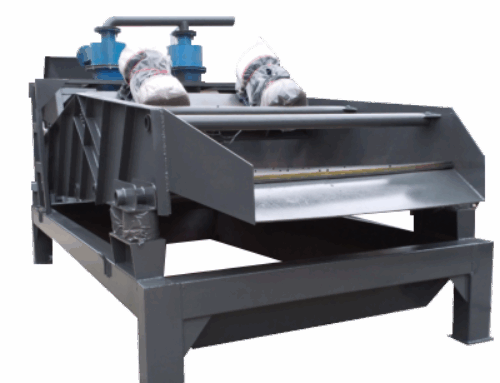
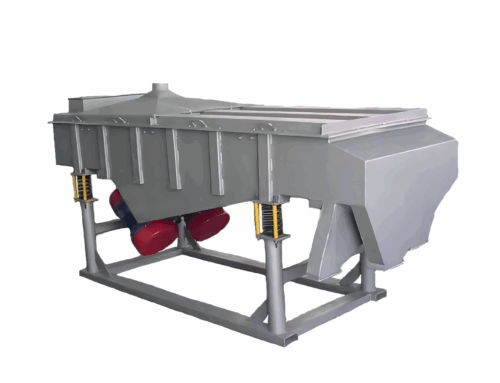
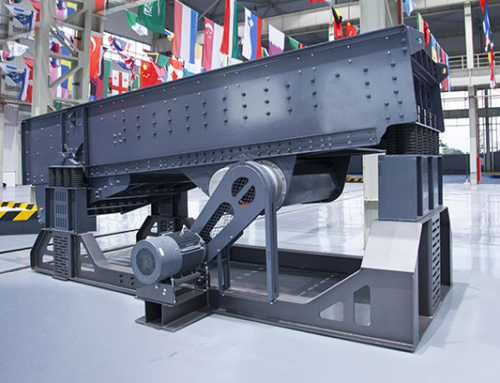
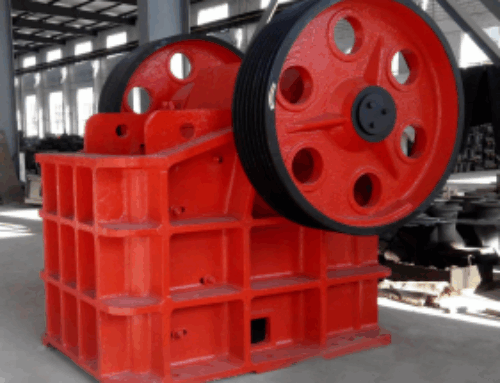
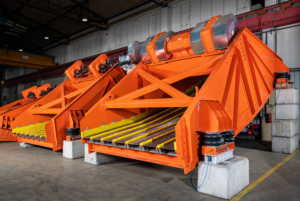
The banana screen, also known as the multi-slope screen, is a type of vibrating screen commonly used in material separation processes. It derives its name from its unique shape resembling a banana, with multiple slopes or angles along its length. This design allows for increased screening efficiency and productivity compared to traditional flat screens.
The main advantage of using a banana screen lies in its ability to handle high tonnages of material while effectively separating different sizes and types of particles. In addition, the design also reduces the risk of blinding, clogging, and pegging, which can often occur with flat screens.
In this article, we will explore how the banana screen works and how its unique design optimizes material separation.
The Working Principle of a Banana Screen
The banana screen operates on the principle of using multiple slopes or angles to effectively separate material. Unlike traditional flat screens that only have one slope, the banana screen has several slopes arranged in a stepped pattern along its length.
As material is fed onto the screen, it moves along the length, and due to gravity, smaller particles tend to fall through the gaps between the slopes while larger particles continue to travel along the screen. This process is known as stratification.
The combination of multiple slopes and gravity allows for better separation of material compared to traditional screens, where particles tend to bounce or roll on a flat surface, reducing efficiency.
Advantages of a Banana Screen
There are several advantages to using a banana screen over traditional flat screens for material separation.
Firstly, the unique design of a banana screen allows for increased screening efficiency. The multiple slopes provide more surface area for particles to pass through, increasing the chances of successful separation.
Secondly, the stepped pattern of the slopes also reduces the risk of blinding, clogging, and pegging. These issues occur when particles become trapped in between the screen’s wires, reducing its effectiveness. The multiple slopes of a banana screen prevent this from happening as particles can easily pass through the gaps.
Another advantage is the ability to handle high tonnages of material. Due to its design and increased surface area, a banana screen can handle larger volumes of material while still maintaining efficient separation.
Furthermore, the use of gravity in the separation process eliminates the need for excessive vibration, reducing energy consumption and wear on the screen components. This makes banana screens a more cost-effective option in the long run.
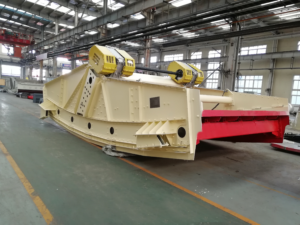
Applications of Banana Screens
Banana screens are commonly used in industries such as mining, quarrying, and construction, where material separation is crucial for efficient operations.
In mining applications, banana screens are used to separate coal, iron ore, and other minerals. In the quarrying industry, they are used for separating sand, gravel, and stone aggregates of different sizes.
Banana screens are also useful in recycling processes, where they can effectively separate different grades of plastic or paper materials.
Another common application is in processing industries such as food and chemical production. Banana screens can efficiently separate food products like grains and sugar, as well as chemicals and pharmaceuticals.
Also, the unique design of a banana screen allows for easy customization to suit specific material separation requirements. This makes it a versatile option for various industries and processes.
How Does A Banana Style Screen Optimize Material Separation
The banana screen’s design, with its multiple slopes and use of gravity, optimizes material separation in several ways.
Firstly, the increased surface area provided by the slopes allows for better stratification of material. This means that particles are more evenly distributed along the screen, reducing the chances of larger particles blocking smaller ones from passing through.
Secondly, the use of gravity in the separation process eliminates the need for excessive vibration, which can cause wear and tear on screen components. This makes banana screens a more durable option for material separation.
Additionally, the risk of blinding, clogging, and pegging is significantly reduced due to the multiple slopes of a banana screen. This results in less maintenance and downtime for cleaning and replacement of screen components.
Furthermore, the ability to handle high tonnages of material makes banana screens a more efficient option for large-scale operations. This can lead to cost savings and increased productivity in industries where material separation is a critical process.
Tips for Maintaining a Banana Screen
To ensure optimal performance and longevity of a banana screen, regular maintenance is essential. Here are some tips for maintaining a banana screen:
- Clean the screen regularly to prevent material build-up and reduce the risk of blinding or clogging.
- Check for any worn or damaged components and replace them as necessary to avoid any potential issues.
- Use proper tension and support for the screen to prevent sagging or overstretching, which can affect its efficiency.
- Regularly inspect the screen panels for signs of wear or damage and replace them if needed.
- Keep the surrounding area clear from debris or obstructions that may affect the screen’s performance.
- Monitor the vibration levels of the screen to ensure it is operating within acceptable limits.
By following these tips, you can prolong the lifespan of your banana screen and maintain efficient material separation in your operations. It is also essential to consult with a professional for any specific maintenance requirements based on your application and usage.
Why Choose a Banana Screen?
There are many reasons why a banana screen may be the ideal choice for your material separation needs. These include its efficiency, durability, versatility, and cost-effectiveness.
The unique design of a banana screen allows for better stratification and increased surface area, leading to improved screening efficiency compared to traditional flat screens. The use of gravity in the separation process also eliminates excessive vibration, reducing energy consumption and wear on screen components.
The multiple slopes of a banana screen also make it less prone to blinding, clogging, and pegging, resulting in lower maintenance and downtime for cleaning or replacement of screen components.
Moreover, banana screens can handle high tonnages of material while still maintaining efficient separation. This makes them suitable for large-scale operations in industries such as mining, quarrying, and construction.
Additionally, the versatility of banana screens allows for easy customization to fit specific material separation requirements. This makes them a suitable option for various industries and processes, including recycling, food production, and chemical processing.
Misakes in Maintenance to Avoid
While regular maintenance is crucial for ensuring optimal performance and longevity of a banana screen, there are some common mistakes that should be avoided:
- Neglecting to clean the screen regularly can lead to material build-up and blockages, affecting its efficiency.
- Replacing worn or damaged components with incorrect ones can also impact the screen’s performance.
- Improper tension and support of the screen can result in sagging or overstretching, affecting its efficiency.
- Waiting too long to replace worn or damaged screen panels can lead to more significant issues and potentially costly repairs.
- Failure to keep the surrounding area clear from debris or obstructions can impact the screen’s performance and increase maintenance needs.
- Not monitoring vibration levels can result in excessive wear on screen components and potential breakdowns.
By avoiding these mistakes and following proper maintenance practices, you can ensure that your banana screen operates at its best and provides efficient material separation for your operations.
FAQs
Why is it called a banana screen?
Banana screens are named after their shape, which resembles that of a banana. This design allows for multiple slopes and use of gravity to optimize material separation.
What industries can benefit from using banana screens?
Industries such as mining, quarrying, food production, chemical processing, and recycling can all benefit from the efficiency and versatility of banana screens in their material separation processes.
Are banana screens more expensive than traditional flat screens?
While the upfront cost of a banana screen may be higher, its efficiency and durability can lead to long-term cost savings due to reduced maintenance needs and increased productivity. Overall, choosing a banana screen can be a more cost-effective option for many industries.
Can banana screens handle wet materials?
Yes, banana screens are designed to handle both dry and wet materials efficiently. The multiple slopes and use of gravity allow for effective separation of a wide range of materials. Overall, choosing a banana screen can be a more cost-effective option for many industries.
Conclusion
Banana screens offer numerous advantages over traditional flat screens, making them a popular choice for material separation in various industries. By following proper maintenance practices and avoiding common mistakes, you can ensure that your banana screen operates at its best and provides efficient and cost-effective performance for your operations.
Be sure to consult with a professional for any specific maintenance requirements based on your application and usage to prolong the lifespan of your banana screen and maximize its efficiency. With proper care, a banana screen can be a valuable asset in your material separation process for years to come.