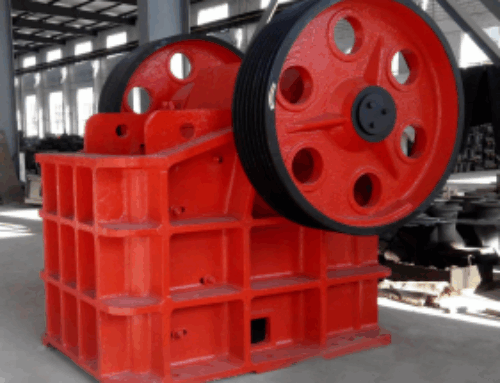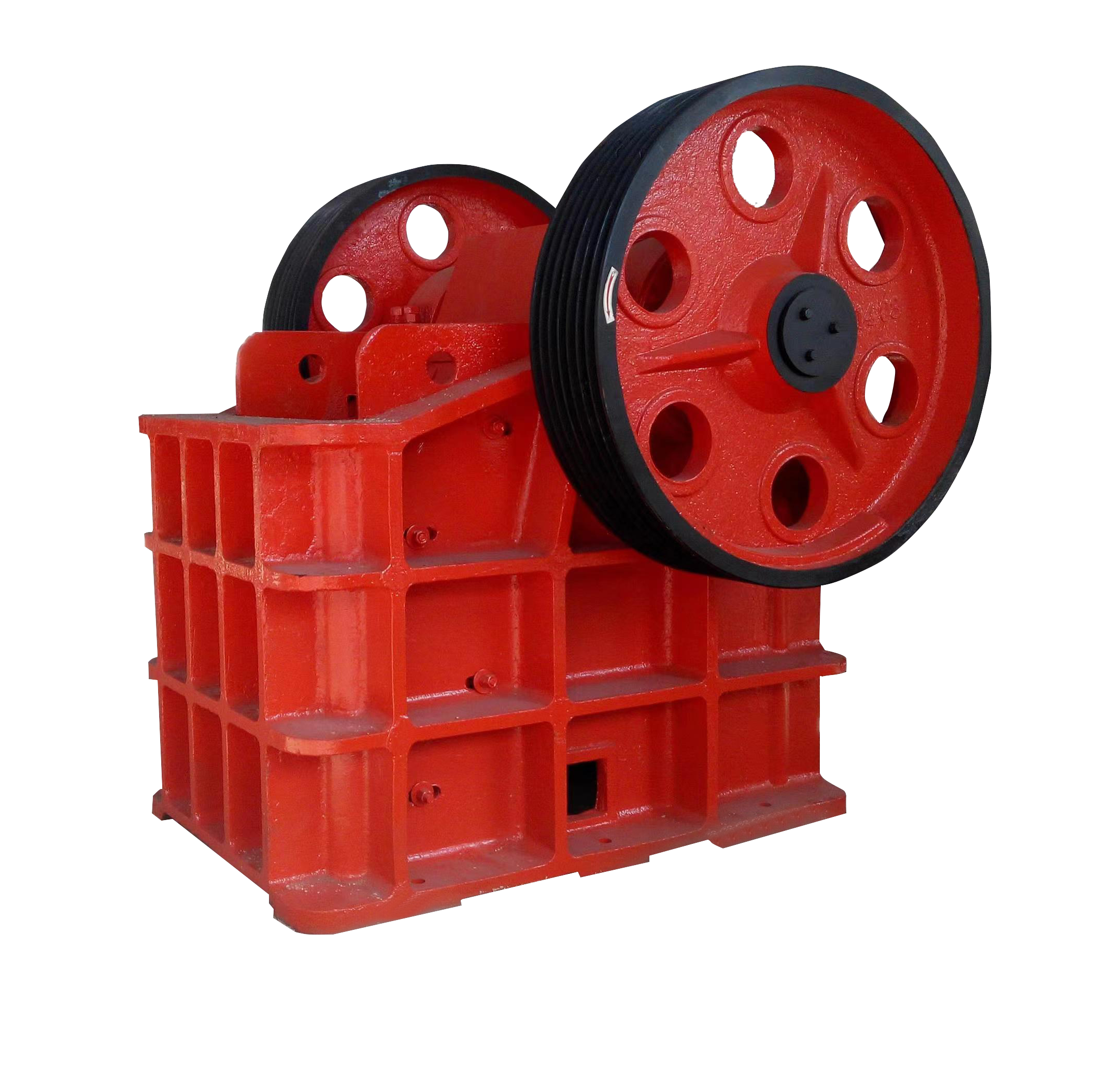
Jaw crushers are an essential piece of equipment in many industries, including mining, construction, and recycling. They are used to break down large rocks into smaller, more manageable pieces for further processing. However, like any other machinery, jaw crushers require regular maintenance to keep them running smoothly and efficiently.
In this maintenance guide, we will provide you with tips and recommendations on how to properly maintain your jaw crusher. By following these tips, you can extend the lifespan of your equipment and avoid costly breakdowns.
Importance of Jaw Crusher Maintenance
Proper maintenance of jaw crushers is crucial for ensuring the efficient and safe operation of your equipment. Neglecting regular maintenance can lead to costly repairs, reduced production, and even safety hazards for both workers and equipment.
Also, incorrect usage and lack of maintenance can cause wear and tear on critical components, reducing the lifespan of your jaw crusher. This can result in unplanned downtime, leading to lost production and revenue for your business.
Moreover, regular maintenance of jaw crushers can also help identify potential issues before they escalate into major problems. This allows for timely repairs or replacements, avoiding costly breakdowns and minimizing the impact on your operations.
By investing time and resources into jaw crusher maintenance, you are not only prolonging the lifespan of your equipment but also ensuring its safe and efficient operation. This can ultimately save your business money in the long run and improve overall productivity.
Top Tips for Jaw Crusher Maintenance
There are various steps that you can take to properly maintain your jaw crusher and keep it running smoothly. Here are our top tips for jaw crusher maintenance:
Regularly Inspect Critical Components
Regular inspection of critical components such as the bearings, flywheel, and toggle plate can help identify any potential issues before they become major problems. Look for signs of wear and tear or damage, such as cracks, excessive vibration, or changes in temperature.
It is also important to inspect the condition of the seals and gaskets regularly. These are crucial for keeping dust and debris out of the machine and ensuring its smooth operation. If any seals or gaskets are damaged, they should be replaced immediately to prevent contamination and potential equipment failure.
Plus, regularly inspecting critical components can also help you identify any issues with the jaw crusher’s alignment. Misaligned or improperly aligned equipment can cause excessive wear and reduce the efficiency of your crusher.
Lubricate Moving Parts
Proper lubrication is essential for the efficient and smooth operation of any machinery, including jaw crushers. Moving parts such as bearings and bushings require regular lubrication to prevent friction and wear.
Before starting your jaw crusher, make sure all moving parts are properly lubricated. It is recommended to use high-quality lubricants that are specifically designed for heavy-duty machinery.
Also, remember to regularly check and replace the lubricant as needed. Over time, the lubricant can become contaminated with dust and debris, reducing its effectiveness. Follow the manufacturer’s recommendations for intervals of lubrication to ensure maximum efficiency of your jaw crusher.
Clean and Inspect the Crusher’s Belt System
The belt system of a jaw crusher is crucial for its proper functioning. It is responsible for transferring power from the motor to the crushing mechanism, as well as ensuring smooth movement of materials through the machine.
Regularly clean and inspect your crusher’s belt system to ensure there are no build-ups of debris or damage to the belts. Any cracks or worn areas should be replaced immediately to prevent equipment failure.
Additionally, ensure that the tension on the belts is correct. Loose or too tight belts can cause excessive wear and reduce the efficiency of your jaw crusher.
Check Jaw Plates for Wear and Tear
Jaw plates are the most important wear parts of a jaw crusher. They are responsible for crushing and grinding the material, making them subject to high levels of wear and tear.
Regularly check the condition of your jaw plates for any signs of wear or damage. It is recommended to replace jaw plates when they reach 75-80% of their original thickness. Failure to do so can result in reduced production and even damage to other components of your jaw crusher.
Also, make sure the jaw plates are properly aligned and securely attached to the crushing chamber. Loose or misaligned jaw plates can cause uneven wear and reduce the efficiency of your crusher. Plus, they can also pose safety hazards for workers.
Replace Any Worn or Damaged Parts
As with any machinery, wear and tear on components are inevitable. It is important to regularly inspect and replace any worn or damaged parts of your jaw crusher to ensure its efficient and safe operation.
In addition to the jaw plates, other critical components that may need replacement over time include the toggle plate, flywheel, bearings, and seals. Always use high-quality replacement parts from reputable manufacturers to ensure the longevity and performance of your equipment.
Additionally, keeping spare parts on hand can also help minimize downtime in case of unexpected failures. It is better to be prepared and have the necessary parts readily available rather than having to wait for replacements to arrive.
Monitor Vibrations and Temperature
Monitoring vibrations and temperature can provide valuable insights into the condition of your jaw crusher. Excessive vibrations or changes in temperature can indicate potential issues with the machine, such as misaligned components or failing bearings.
Regularly check for any unusual vibrations or changes in temperature and take necessary action to address them. This can help prevent major breakdowns and costly repairs in the future.
Keep a Maintenance Log
Keeping a maintenance log is an essential step in properly maintaining your jaw crusher. It allows you to track the maintenance and repairs that have been performed, as well as monitor the overall performance of your equipment.
A maintenance log should include details such as when inspections were conducted, what components were checked, any issues found, and actions taken to address them. This can help identify patterns or recurring problems that may require further attention.
Additionally, having a maintenance log can also be helpful when it comes to scheduling regular service and identifying any potential issues before they become major problems.
Regularly Inspect Critical Components for Signs of Wear
Regularly inspecting critical components such as jaw plates, bearings, and seals is crucial for maintaining the efficiency and safety of your jaw crusher. Look for signs of wear and tear or damage, and take necessary action to address any issues.
In addition to visual inspections, it may also be beneficial to conduct regular vibration analysis or thermal imaging to detect any potential problems that may not be visible. This can help prevent unexpected breakdowns and costly repairs.
So, it is essential to prioritize regular inspections and maintenance of your jaw crusher to ensure its optimal performance and longevity. By following these tips and guidelines, you can keep your jaw crusher in top condition and avoid costly downtime or equipment failure. Remember, a little preventive maintenance can go a long way in maximizing the efficiency and lifespan of your equipment.
How much maintenance is needed for a jaw crusher
The amount of maintenance required for a jaw crusher will depend on several factors, such as the frequency and intensity of use, type of material being crushed, and operating conditions.
Generally speaking, regular maintenance should be conducted every 200-250 hours of operation or at least once a month. However, heavy-duty or high-volume applications may require more frequent maintenance.
Some key maintenance tasks for a jaw crusher include lubrication of moving parts, cleaning and inspecting the belt system, checking jaw plates for wear and tear, replacing worn or damaged parts, monitoring vibrations and temperature, and keeping a maintenance log.
These tasks are essential for ensuring the efficient performance and longevity of your jaw crusher. Neglecting any of them can result in reduced production, equipment failure, or potential safety hazards for workers.
Furthermore, regular maintenance can also help identify any potential issues before they become major problems. This can save time and money by preventing costly repairs or unexpected downtime.
Can I perform maintenance on my jaw crusher myself
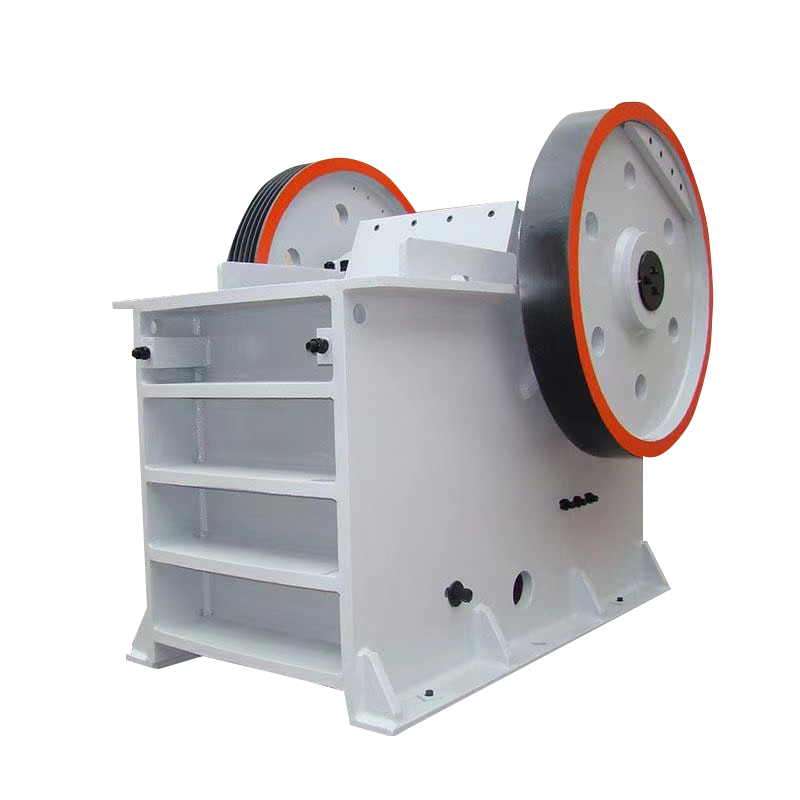
While it is always recommended to have a professional conduct maintenance and repairs on your jaw crusher, there are some basic tasks that you can perform yourself.
For example, regularly lubricating moving parts and checking the belt system for any signs of wear or damage can be done by anyone with proper training and knowledge. However, it is crucial to follow the manufacturer’s instructions and guidelines for lubrication and maintenance.
On the other hand, tasks such as replacing worn or damaged parts should only be performed by trained professionals. They have the necessary expertise and tools to properly identify and address any issues with your jaw crusher.
It is also important to note that performing maintenance on your jaw crusher without proper knowledge or training can be dangerous and may result in further damage to the equipment or potential safety hazards.
In addition, having a professional conduct regular inspections and servicing of your jaw crusher can help detect any potential problems that may not be visible to an untrained eye. This can prevent unexpected breakdowns and ensure the safe and efficient operation of your equipment.
Mistakes that should be avoided during maintenance of a jaw crusher
Proper maintenance is crucial for the efficient and safe operation of a jaw crusher. However, there are some common mistakes that should be avoided:
- Neglecting regular maintenance: One of the biggest mistakes that can lead to major breakdowns and costly repairs is neglecting regular maintenance. It is important to follow a scheduled maintenance plan and conduct necessary tasks such as lubrication, cleanings, and inspections.
- Not following manufacturer’s instructions: Each jaw crusher model may have specific guidelines for maintenance and lubrication. It is essential to follow these instructions carefully to ensure the optimal performance and longevity of your equipment.
- Overlooking signs of wear and tear: Regularly inspecting critical components for any signs of wear and addressing them promptly can prevent unexpected failures and safety hazards.
- Improper lubrication: Using the wrong type or amount of lubricant, or neglecting regular lubrication can result in excessive wear and damage to moving parts. It is important to follow the manufacturer’s recommendations for lubrication.
- Not keeping a maintenance log: Keeping a record of all maintenance and repairs performed on your jaw crusher can help identify any recurring issues or patterns that may require further attention.
By avoiding these common mistakes and following proper maintenance procedures, you can ensure the efficient and safe operation of your jaw crusher. Regular maintenance can also help extend the lifespan of your equipment, ultimately saving you time and money in the long run.
Does maintenance of a jaw crusher require specialized tools
While some basic tasks such as lubrication and inspecting for signs of wear can be done with simple tools, conducting maintenance on a jaw crusher may also require specialized tools.
For example, replacing worn or damaged parts may require specific wrenches, sockets, or other tools to properly disassemble and reassemble the equipment. Additionally, monitoring vibrations and temperature may require specialized sensors or equipment.
It is essential to have the correct tools for the job to ensure that maintenance is done correctly and safely. Using improper tools can result in further damage to your jaw crusher or potential safety hazards for workers.
Moreover, some manufacturers may recommend using their own proprietary tools for maintenance on their specific models of jaw crushers. These specialized tools may be necessary for proper maintenance and repairs.
In some cases, it may be more efficient and cost-effective to have a professional service provider who has the necessary tools and expertise conduct maintenance on your jaw crusher. They can ensure that the job is done correctly and efficiently, preventing any potential issues or hazards.
FAQs
Is it necessary to lubricate the jaw crusher regularly?
Yes, regular lubrication is essential for the smooth and efficient operation of a jaw crusher. This includes applying lubricant to moving parts such as bearings, shafts, and gears.
How often should maintenance be performed on a jaw crusher?
Maintenance tasks should be performed at least once a month or every 00-250 hours of operation, depending on the manufacturer’s recommendations and the specific conditions of your jaw crusher.
Can I use any type of lubricant for my jaw crusher?
No, it is important to follow the manufacturer’s recommendations for lubricants. Using the wrong type or amount can result in excessive wear and damage to your equipment.
Conclusion
Proper maintenance is crucial for the efficient and safe operation of a jaw crusher. While some tasks can be performed by anyone with proper training, specialized tools and knowledge may be necessary for more complex maintenance procedures. It is essential to follow manufacturer’s recommendations and conduct regular inspections to prevent unexpected breakdowns or safety hazards.
By avoiding common mistakes and following a scheduled maintenance plan, you can ensure the optimal performance and longevity of your jaw crusher. Additionally, having a professional service provider conduct regular maintenance can help detect any potential issues early on, saving you time and money in the long run.