When it comes to selecting the right jaw crusher for your operation, there are many factors to consider. Jaw crushers are used in various industries such as mining, construction, and recycling to crush large rocks or ore into smaller pieces. With so many options available in the market, making a decision can be overwhelming.
In this guide, we will discuss the key factors that you should consider when choosing a jaw crusher. From the size and capacity to the cost and maintenance, we will cover everything you need to know to make an informed decision.
What is a jaw crusher?
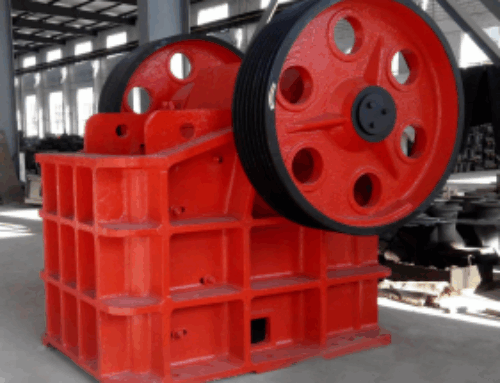
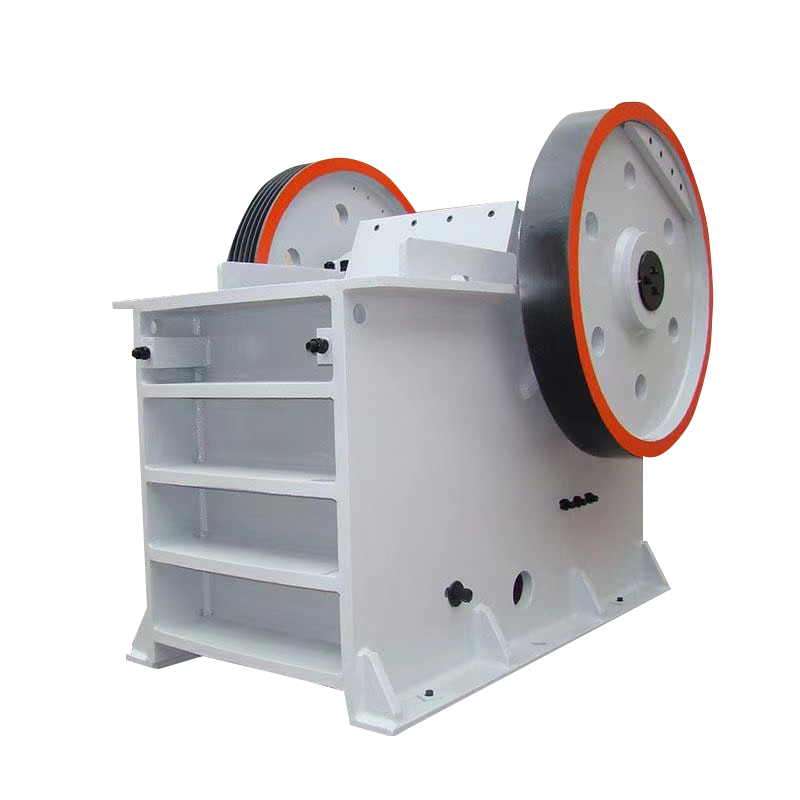
A jaw crusher is a compression-type crushing machine that consists of two jaws, one fixed and one movable. The material is fed into the top of the jaws, which are then further apart at the bottom until it is small enough to pass through the opening at the bottom.
Jaw crushers have been around for over 150 years and have evolved from simple machines to highly efficient and versatile crushers used in a variety of industries. They are typically used to crush hard materials such as rocks, ores, and minerals.
Also, there are different types of jaw crushers available in the market, including single toggle and double toggle jaw crushers. Each type has its unique advantages and disadvantages, which we will discuss later on in this guide.
Factors to consider when choosing a jaw crusher
Now that you have a basic understanding of what a jaw crusher is, let’s dive into the key factors you should consider when selecting one for your operation.
Size and capacity
The size and capacity of a jaw crusher are crucial factors to consider when making a selection. The size refers to the dimensions of the crushing chamber, while the capacity indicates the maximum amount of material that can be fed into the crusher at once.
Choosing the right size and capacity is important as it directly affects the productivity of your operation. A smaller jaw crusher may have a lower capacity, but it can be more cost-effective and easier to maintain. On the other hand, a larger jaw crusher may have a higher capacity, but it can also be costly and require more maintenance.
It is essential to assess your specific needs and the type of material you will be processing to determine the appropriate size and capacity for your jaw crusher.
Type of material to be crushed
The type of material you will be crushing is another critical factor to consider when selecting a jaw crusher. Different materials have different characteristics and require specific types of crushers for efficient processing.
For instance, a hard rock like granite will require a more robust and heavy-duty jaw crusher compared to softer materials like limestone or sandstone. The hardness, abrasiveness, and size of the material will play a significant role in determining the type of jaw crusher you need.
It is essential to consult with experts and consider your specific application to ensure that you choose a jaw crusher that can handle the type of material you will be processing.
Maintenance and operating costs
Maintenance and operating costs are crucial considerations when choosing a jaw crusher. Regular maintenance is vital to ensure the longevity and efficiency of your crusher. Some jaw crushers may require more frequent maintenance, which can add to the operating costs.
You should also consider the power consumption and fuel costs associated with operating a jaw crusher. Opting for a more energy-efficient model can save you money in the long run.
Furthermore, consider the availability and cost of replacement parts. Choosing a jaw crusher from a reputable brand with readily available spare parts can save you time and money in case of any breakdowns.
In conclusion, carefully evaluating the maintenance and operating costs of different jaw crushers is crucial to make an informed decision.
Noise level
Noise level is another important factor to consider when selecting a jaw crusher, especially if the crusher will be located near residential areas or other noise-sensitive environments.
Modern jaw crushers are designed to minimize noise levels and may come with additional features such as sound insulation and vibration isolation to reduce noise. It is essential to check the manufacturer’s specifications for the maximum noise level of the crusher before making a decision.
Additionally, proper maintenance and regular inspections can help keep the noise levels in check. Choosing a jaw crusher with lower noise levels can also improve the overall working conditions for your employees.
Power requirements
When selecting a jaw crusher, it is essential to consider its power requirements. Different crushers may have varying power requirements, and this can affect the overall operating costs.
The power consumption of a jaw crusher depends on factors such as the type of material being crushed, the size of the feed opening, and the speed at which it operates. A higher horsepower may result in higher productivity but also increased energy costs.
It is crucial to find a balance between power and efficiency when selecting a jaw crusher to avoid high operating costs in the long run. Also, consider the power source available at your site before making a decision.
Ease of adjustment and maintenance
The ease of adjustment and maintenance is another critical aspect to consider when choosing a jaw crusher. A well-designed crusher should have easily accessible parts for maintenance and adjustments.
An adjustable discharge setting allows you to fine-tune the size of the final product, making it more versatile for different applications. Some crushers may also come with advanced features such as hydraulic or automatic adjustment systems, which can make maintenance and adjustments easier.
A jaw crusher with a simple design and straightforward maintenance procedures can save you time and money in the long run. It is essential to consider this factor to ensure smooth operations and reduce downtime.
Safety features
Safety should always be a top priority when selecting any type of equipment, including jaw crushers. Look for safety features such as guard rails, emergency stop buttons, and interlocks that can prevent accidents and injuries.
Some modern crushers may also come with advanced features like remote-controlled operation or automatic shut-off systems to enhance safety during use.
It is crucial to check the safety features available on a jaw crusher and ensure they meet your specific needs and regulations. Regular maintenance and training for employees on proper operation procedures can also contribute to a safer work environment. Choosing a safe jaw crusher can prevent costly accidents and protect your employees.
Long-term durability and reliability
Investing in a jaw crusher is a significant decision, and you want to ensure that the equipment will last for years to come. Look for reputable brands with a proven track record of durability and reliability.
Consider factors such as the materials used in construction and the overall design of the crusher. A sturdy frame, high-quality components, and proper maintenance can contribute to the long-term reliability of a jaw crusher.
Additionally, reading reviews and seeking recommendations from other users can give you insight into the durability and reliability of different jaw crushers. Choosing a durable and reliable jaw crusher can save you money in the long run by reducing downtime and costly repairs.
Environmental impact
The environmental impact of a jaw crusher should also be considered when making a decision. Look for crushers that are designed with eco-friendly features and can help reduce waste and emissions.
Some modern jaw crushers come with advanced technologies like dust suppression systems, which can minimize the release of harmful particles into the air. Proper maintenance and regular inspections can also contribute to reducing the environmental impact of a crusher.
It is essential to consider the long-term effects of a jaw crusher on the environment and choose an option that aligns with your company’s sustainability goals. This not only benefits the environment but can also positively impact your company’s reputation and image.
Cost-effectiveness
Ultimately, choosing a jaw crusher that offers the best cost-effectiveness is crucial for any company. Consider all factors, such as initial purchase price, maintenance costs, and energy efficiency, to determine which option will provide the most value in the long run.
Some crushers may have a higher initial purchase price but lower operating costs, while others may be cheaper initially but have higher maintenance and energy costs.
It is important to carefully evaluate all costs associated with a jaw crusher before making a decision. Additionally, consider the potential return on investment and how the crusher will impact your company’s overall profitability. Choosing a cost-effective jaw crusher can help maximize profits and minimize expenses in the long run.
Does Your Company Need a Jaw Crusher?
Whether your company needs a jaw crusher or not depends on various factors such as the type and scale of your operations, the materials you handle, and your specific goals.
If your operations involve crushing large rocks or hard materials, a jaw crusher can be an essential tool for efficient and effective processing. It can also be a valuable asset for companies looking to expand their product offerings and cater to different customer needs.
However, if your operations involve softer materials or have smaller volume requirements, a jaw crusher may not be necessary and could end up being a costly investment. It is crucial to carefully evaluate your company’s needs before deciding whether or not to invest in a jaw crusher.
Plus, don’t forget to consider the factors discussed earlier, such as power and efficiency, ease of maintenance, safety features, durability and reliability, environmental impact, and cost-effectiveness when making your decision. This can help ensure that you choose the best jaw crusher for your company’s needs and goals.
Is a Jaw Crusher the Right Choice for You?
Deciding whether or not a jaw crusher is the right choice for your company ultimately depends on your specific needs and goals. It is essential to carefully consider all factors discussed earlier, as well as conducting thorough research and seeking professional advice.
A jaw crusher can be an excellent investment for companies looking to improve their productivity, efficiency, and profitability. However, it is crucial to ensure that it aligns with your company’s operations and goals before making a decision.
Remember to also consider potential future needs and growth opportunities when deciding on a jaw crusher. With careful consideration and proper maintenance, a well-chosen jaw crusher can significantly benefit your company in the long run.
Also, keep in mind that there are other types of crushers available in the market, such as cone crushers and impact crushers, which may better suit your company’s needs. It is important to evaluate all options thoroughly before making a decision.
Mistakes to Avoid When Choosing a Jaw Crusher
Choosing the wrong jaw crusher can lead to costly mistakes and negatively impact your company’s operations and profitability. Here are a few common mistakes to avoid when selecting a jaw crusher:
- Not evaluating all factors: It is crucial to consider all factors, such as power and efficiency, ease of maintenance, safety features, durability and reliability, environmental impact, and cost-effectiveness.
- Focusing solely on initial purchase price: While it is essential to consider the upfront cost of a jaw crusher, it is equally important to evaluate the potential long-term costs associated with maintenance and operation.
- Not seeking professional advice: Consulting with industry experts can provide valuable insights and help you make an informed decision based on your specific needs and goals.
- Not considering future growth opportunities: It is essential to anticipate potential future needs and choose a jaw crusher that can accommodate them, preventing the need for costly upgrades or replacements in the future.
By avoiding these mistakes and carefully evaluating all factors, you can make a well-informed decision and choose the best jaw crusher for your company’s needs.
Is a Jaw Crusher the Right Investment for Your Company?
Investing in a jaw crusher can provide numerous benefits for your company, but it is crucial to determine if it aligns with your overall business strategy and goals. Consider factors such as the type and scale of your operations, materials you handle, future growth opportunities, and sustainability efforts.
Additionally, evaluate the potential return on investment and how a jaw crusher can impact your company’s profitability in the long run. It may also be helpful to compare different options and consult with industry experts before making a decision.
Remember, choosing the right jaw crusher is not just about finding the cheapest or most powerful option; it is about selecting one that meets your specific needs and aligns with your company’s goals. With careful consideration and research, you can make a wise decision that will benefit your company for years to come.
Also, do not forget to regularly maintain and monitor your jaw crusher to ensure optimal performance and avoid costly repairs. By choosing the right jaw crusher and maintaining it properly, you can improve efficiency, reduce downtime, and ultimately increase profitability for your company.
Tips for Choosing the Best Jaw Crusher
To recap, here are some essential tips to keep in mind when choosing a jaw crusher for your company:
- Evaluate all factors: Consider power and efficiency, maintenance requirements, safety features, durability and reliability, environmental impact, and cost-effectiveness.
- Consider your specific needs: Determine if your operations require a jaw crusher and evaluate the type and scale of your operations, materials you handle, and future growth opportunities.
- Seek professional advice: Consulting with industry experts can provide valuable insights and help you make an informed decision that aligns with your company’s goals.
- Compare options: Do not make a hasty decision; instead, compare different jaw crusher models to find the best fit for your company.
- Regular maintenance: Once you have chosen a jaw crusher, make sure to regularly maintain and monitor it to ensure optimal performance and avoid costly repairs.
By following these tips and carefully evaluating all factors, you can select the best jaw crusher for your company’s needs and goals.
FAQs
Are jaw crushers expensive?
The initial cost of a jaw crusher may be higher than other options, but it is important to consider potential long-term costs associated with maintenance and operation. Additionally, a well-chosen jaw crusher can significantly improve efficiency and profitability for your company.
What is the main advantage of using a jaw crusher?
Jaw crushers are known for their ability to crush large and hard materials, making them suitable for a wide range of applications. They also have a simple design and are relatively easy to maintain, making them cost-effective in the long run.
Can jaw crushers handle different types of materials?
Yes, jaw crushers can handle various materials such as granite, basalt, limestone, and other hard rocks. However, it is crucial to select a jaw crusher model that is specifically designed for the type of material you handle to ensure optimal performance and longevity.
Conclusion
In conclusion, choosing the right jaw crusher for your company is a crucial decision that can significantly impact your operations and profitability. By carefully evaluating all factors and avoiding common mistakes, you can make an informed decision that aligns with your company’s goals and needs.
Remember to regularly maintain and monitor your jaw crusher to ensure optimal performance and avoid costly repairs. With the right jaw crusher and proper maintenance, you can improve efficiency, reduce downtime, and ultimately increase profitability for your company. Consult with industry experts and compare different options to find the best fit for your specific needs.